No Kill • Shelter Leadership
Leadership
Saves Lives
Compassion becomes policy when leaders refuse to treat lifesaving as optional.
Explore the leadership standard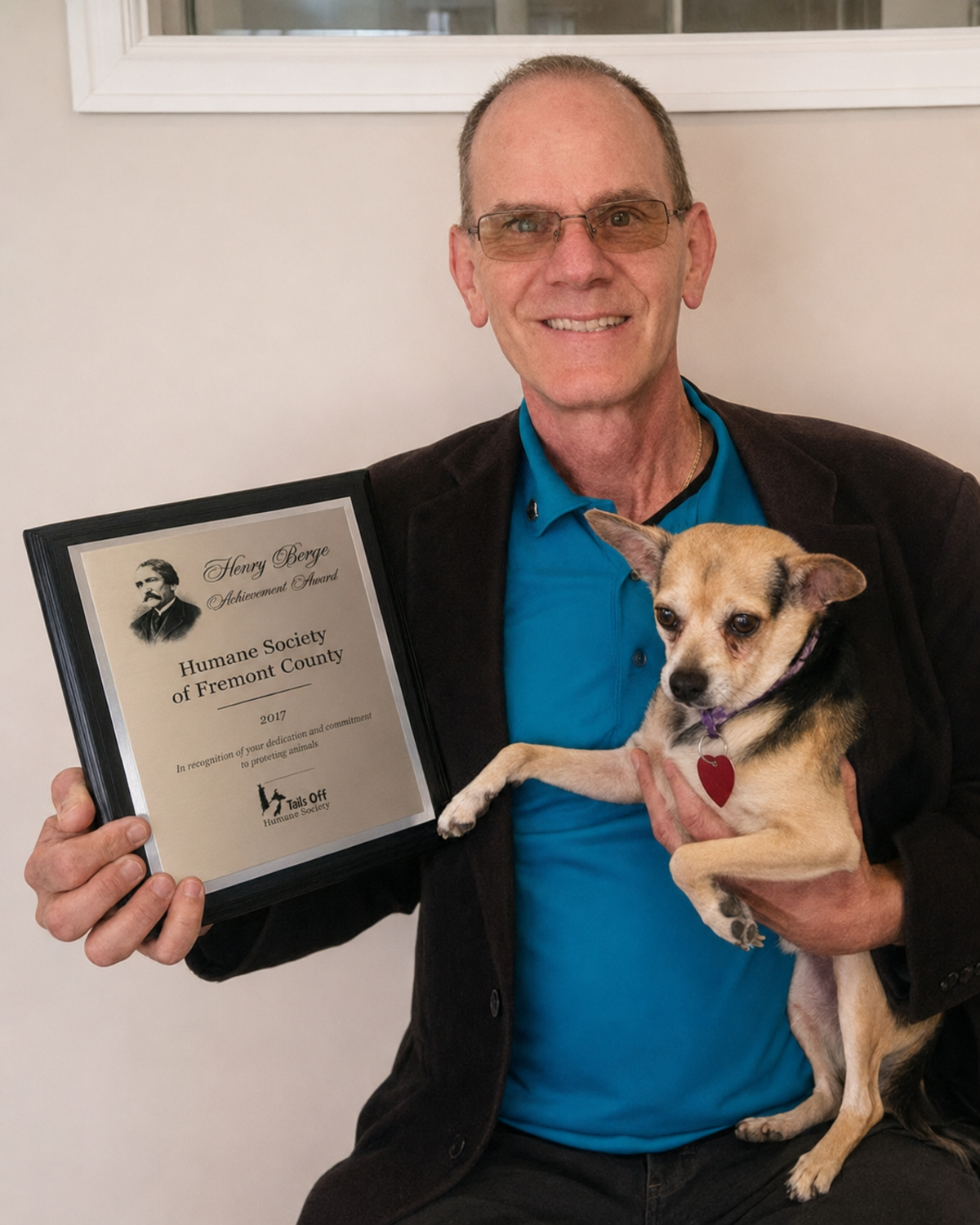
From Fremont County to Catawba County, principled leadership turns lifesaving into daily practice.
The answer in brief
What makes a No Kill shelter possible?
Leadership. A No Kill shelter saves every healthy and treatable homeless pet by making lifesaving the operating standard and using every proven program before an irreversible decision.
Euthanasia remains available as an act of mercy for irremediable suffering—not as a response to space, cost, staffing, or convenience. Doug Rae’s work offers one documented example of how clear standards, public partnership, and perseverance can change shelter outcomes.
Programs do not lead themselves.
Effective leadership is the most important component of the No Kill Equation because it activates every other lifesaving program.
Policies, budgets, staffing, community relationships, and life-or-death decisions all flow from leadership. A compassionate director does more than express good intentions: the director creates a culture in which saving every healthy and treatable pet is the operating standard.
Effective leadership in the No Kill EquationThe leadership standard
What compassionate leadership looks like
Leadership is visible in the choices a shelter makes before a kennel fills, before a crisis arrives, and before a life is placed at risk.
Set an unalterable standard
Every healthy and treatable pet will be given every reasonable opportunity to live.
Treat every animal as an individual
A frightened dog, a sick kitten, and a senior pet are not categories. Each is a life entrusted to the shelter.
Build the systems that make mercy possible
Foster care, rehabilitation, adoption, volunteers, rescue partnerships, and proactive redemption must work together.
Invite the community inside
The public is not the enemy. Lifesaving expands when people are trusted with the truth and given meaningful ways to help.
Make euthanasia a decision of mercy
Ending a life must never become a routine response to space, inconvenience, fear, or a treatable condition.
Tell the truth and measure the work
Publish outcomes, acknowledge problems, track resources, and remain accountable for every animal entrusted to the shelter.
The Fremont County proof
A change in leadership. An immediate change in outcomes.
In 2014, the Humane Society of Fremont County was saving only 44% of the animals entering its open-admission shelter. Rae arrived, set a clear lifesaving expectation, met with staff and community members, and rebuilt the operation around individual animals.
The record
Perseverance made the turnaround durable.
One strong month can be an exception. A decade of strong outcomes is a culture. Fremont County sustained lifesaving through rural service demands, limited resources, medical cases, and changing conditions.
The standard changes
Rae begins by listening to employees, volunteers, residents, business owners, and elected officials—then makes saving healthy and treatable animals nonnegotiable.
96% saved
An open-admission shelter that had been losing more than half its animals demonstrates that outcomes can change when leadership changes.
National recognition
The shelter receives the No Kill Advocacy Center’s Henry Bergh Achievement Award and recognition from the Colorado State Senate.
98.17% saved
HSFC reports another exceptional year despite describing it as its toughest financial year in a decade.
No Kill and true euthanasia
Mercy is not the opposite of No Kill. It is part of it.
Hope’s story shows the moral clarity compassionate shelter leadership requires.
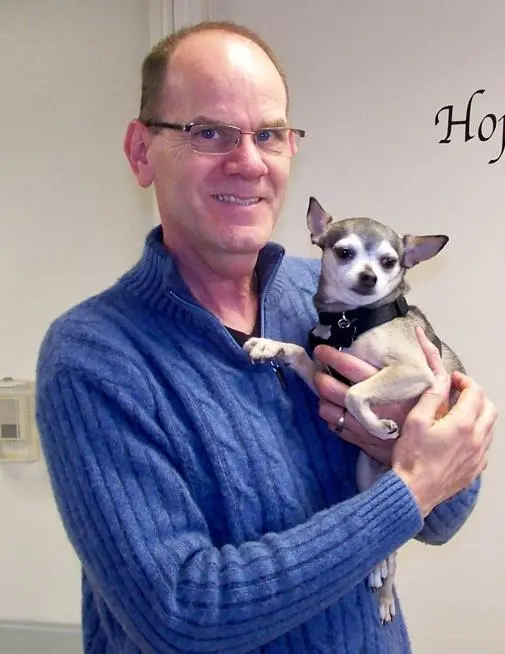
Hope arrived starved, neglected, and scarred by repeated breeding. She received veterinary care, safety, affection, and weeks in which she learned that people could be kind. When aggressive terminal cancer left no path to recovery, her shelter family made the difficult decision to prevent severe suffering.
The decision was about Hope—not kennel space, staffing, cost, or convenience. She was surrounded by people who loved her. That is what euthanasia means in a No Kill shelter: a solemn act of mercy for an animal who cannot be made well, never an operational tool.
“When ending a life becomes emotionally easy, something precious has been lost.”Read Hope’s story
A new chapter
At Catawba County, the first actions reveal the same philosophy.
Hickory, North Carolina • 2026
Rae inherited an organization facing serious financial and operational strain. His early response was not to retreat from care, but to open the shelter, establish accountability, and tell the community exactly what was needed.
Removed physical barriers between the public and the shelter
Reopened volunteer access and made leadership available
Began one-on-one meetings with every team member
Built a new internal budget with tighter approval controls
Implemented written enrichment procedures for dogs and cats
Moved away from appointment-only adoptions to place pets faster
“The animals don’t know about the debt. They just know they are hungry, they need medical care, and they need a home.”
Doug Rae, message from Catawba HumaneLeadership activates the system
The No Kill Equation works as a whole.
A capable director ensures the programs are not merely listed in a plan. They are staffed, funded, measured, and used for the animal who needs them today.
For every community
Ask better questions of shelter leadership.
A community does not need to wait for a crisis to decide what it expects from the people entrusted with homeless animals.
- 01
Is saving every healthy and treatable pet the shelter’s explicit operating goal?
- 02
Are animals evaluated and treated as individuals rather than labels or categories?
- 03
Are medical and behavioral rehabilitation used before irreversible decisions?
- 04
Are volunteers, fosters, rescues, and the public welcomed as genuine partners?
- 05
Are outcomes, challenges, and resource needs communicated with transparency?
- 06
Does leadership accept responsibility for results and keep improving them?
Direct answers
Common questions about No Kill leadership
Concise answers to the questions communities most often ask about shelter leadership and lifesaving.
What does No Kill mean for an animal shelter?
No Kill means saving every healthy and treatable homeless pet. It is a commitment to use proven lifesaving programs before considering an irreversible outcome.
Does No Kill prohibit euthanasia?
No. A No Kill shelter may use true euthanasia as an act of mercy when an animal is irremediably suffering, or in rare cases when a dangerous animal cannot be safely rehabilitated. It does not use killing as a response to space, cost, staffing, or convenience.
Why is leadership the foundation of a No Kill shelter?
Leadership sets the lifesaving standard, assigns resources, builds the culture, measures outcomes, and makes every other program of the No Kill Equation work in practice.
Can an open-admission shelter achieve No Kill outcomes?
Yes. The Humane Society of Fremont County is an open-admission shelter. Its reported outcomes improved from a 44% save rate before Doug Rae's 2014 arrival to 96% in his first three months, followed by a decade of annual save rates above 95%.
What changed under Doug Rae in Fremont County?
Rae established saving healthy and treatable animals as the operating standard, listened to staff and community members, and organized the shelter around individual evaluation, rehabilitation, adoption, volunteers, rescue partnerships, and accountability.
What should a community expect from shelter leadership?
A community should expect a clear lifesaving goal, humane individual decisions, full use of rehabilitation and placement programs, open partnership with the public, transparent reporting, and leadership that accepts responsibility for results.
The essential truth
A shelter’s ceiling is set by what its leaders believe is possible.
Doug Rae’s work is one compelling example, but the standard belongs to every community: leadership that sees each animal, uses every lifesaving tool, welcomes help, tells the truth, and perseveres.
Read further